
Escavação da Grande Muralha produz descobertas arqueológicas importantes em Beijing

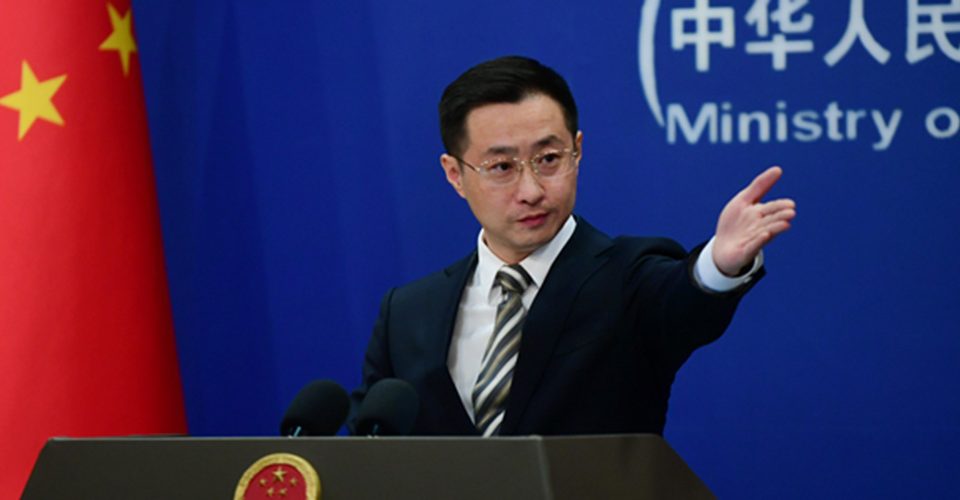
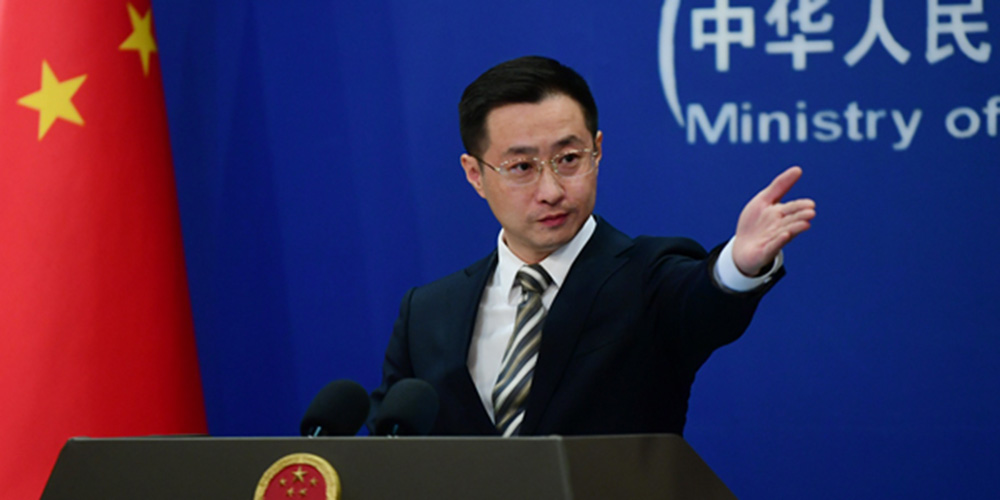
China exige que Japão retire declarações errôneas e pare de dar respostas evasivas

Abin: segurança nas eleições e ataques com IA são desafios para 2026
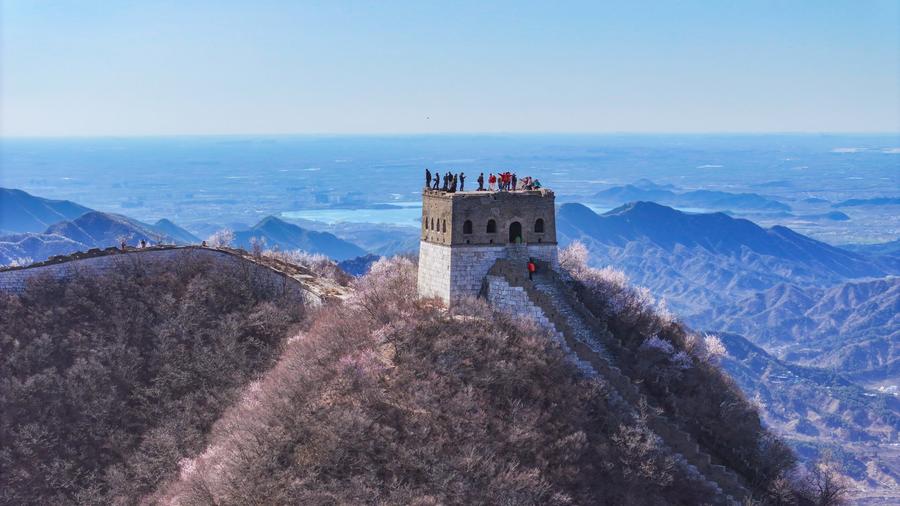
Beijing – Arqueólogos em Beijing anunciaram na segunda-feira descobertas importantes na recente escavação da seção de Jiankou da Grande Muralha, onde um grande canhão foi desenterrado.
A escavação concentrou-se em três torres de farol e suas paredes conectadas, revelando, neste ano, inúmeros artefatos, incluindo armas, partes arquitetônicas e objetos de uso diário, segundo Shang Heng, pesquisador associado do Instituto de Arqueologia de Beijing, em uma coletiva de imprensa sobre as mais recentes descobertas arqueológicas em 2025.
Entre esses artefatos estava um grande canhão fundido do final da Dinastia Ming (1368-1644), medindo 89,2 centímetros de comprimento e pesando 112,1 quilos — a maior peça de artilharia já encontrada nesta seção da Grande Muralha.
Shang disse que as inscrições bem preservadas no canhão fornecem novas evidências cruciais para pesquisas sobre a fabricação de armas de fogo e a troca histórica de tecnologia militar durante o período.
Também foram anunciadas as descobertas de artefatos de turquesa no sítio Xingong, que é um assentamento raro datado dos períodos Xia (2070 a.C.-1600 a.C.) e Shang (1600 a.C.-1046 a.C.) na área urbana de Beijing.
O local, que possui cemitérios, fossos e vestígios residenciais, revelou 28 artefatos de turquesa. A análise indica que a turquesa provavelmente se originou de minas na junção das províncias de Hubei, Henan e Shaanxi, fornecendo evidências-chave do intercâmbio cultural inicial no norte da China, segundo Yang Ju, pesquisador do instituto.
Leia Também:

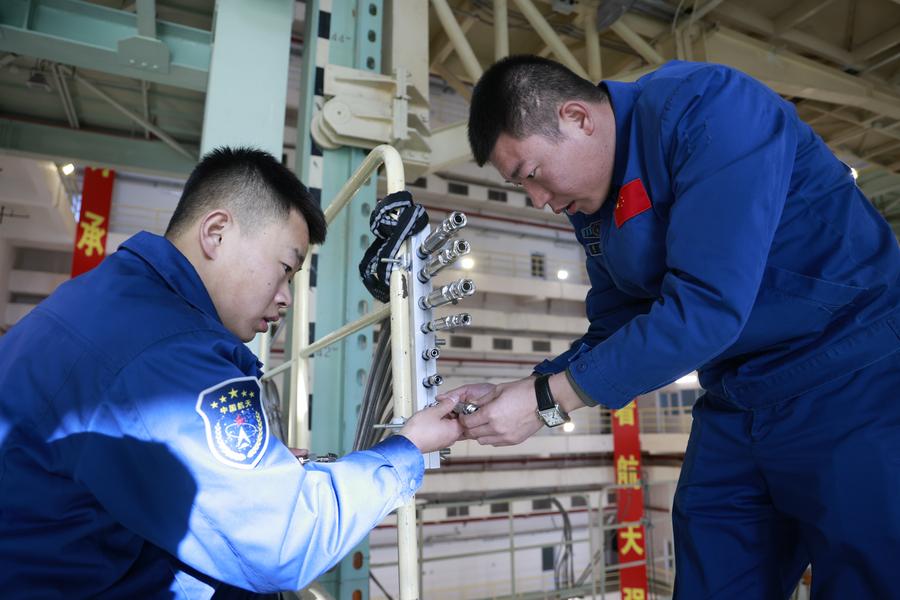
(251125) -- JIUQUAN, Nov. 25, 2025 (Xinhua) -- Staff members conduct operations on the gas supply pipelines of the Shenzhou-22 spaceship on Nov. 9, 2025. China on Tuesday launched the Shenzhou-22 spaceship to provide a return vessel for the three Shenzhou-21 astronauts in orbit. This momentous occasion marked the accomplishment of the first emergency launch mission in the country's manned space program. The launch of the new spaceship followed the return of the three Shenzhou-20 astronauts back to Earth on Nov. 14 by the Shenzhou-21 spacecraft. The return mission, initially scheduled for Nov. 5 by the Shenzhou-20 spaceship, was delayed due to a suspected debris impact on the Shenzhou-20 return capsule's viewport window. The Long March-2F Y22 rocket and the Shenzhou-22 spaceship -- already on standby at the launch site upon the contingency -- were swiftly prepared for launch. After the initiation of the contingency plan, all teams involved in the project demonstrated a composed and methodical approach. Within 20 days, all participating research and testing units collaborated and completed a series of critical tasks, including risk assessment, solution analysis and decision-making, personnel and material deployment, crew return aboard a replacement vessel, as well as an emergency launch, offering a world-class example of managing an in-orbit emergency, the China Manned Space Agency said. The success of this mission fully demonstrated the strengths of China's new system for mobilizing resources nationwide, it noted. (Photo by Li Mingtang/Xinhua)
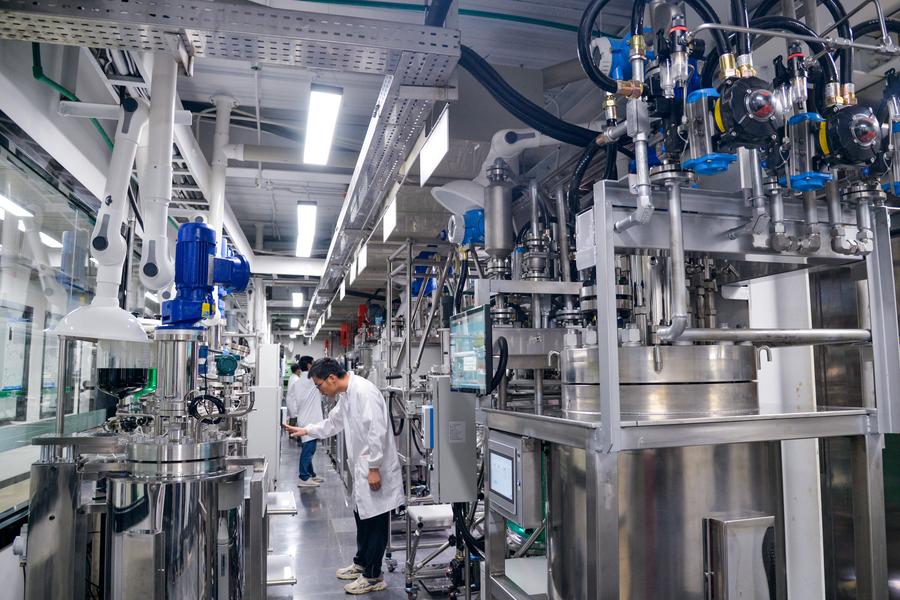
(240829) -- BANDUNG, Aug. 29, 2024 (Xinhua) -- Researchers work in China-Indonesia Joint Research Laboratory for New Energy Materials and Metallurgical Engineering Technology in Bandung Institute of Technology in Bandung, Indonesia, Aug. 27, 2024. The China-Indonesia Joint Research Laboratory for New Energy Materials and Metallurgical Engineering Technology was launched in Bandung on Wednesday. The laboratory was co-established by China's Central South University, GEM Co., Ltd., a leading green enterprise in China, and Bandung Institute of Technology. (Xinhua/Xu Qin)